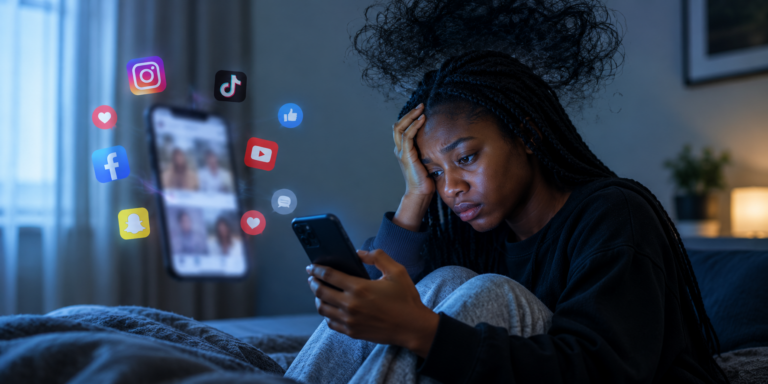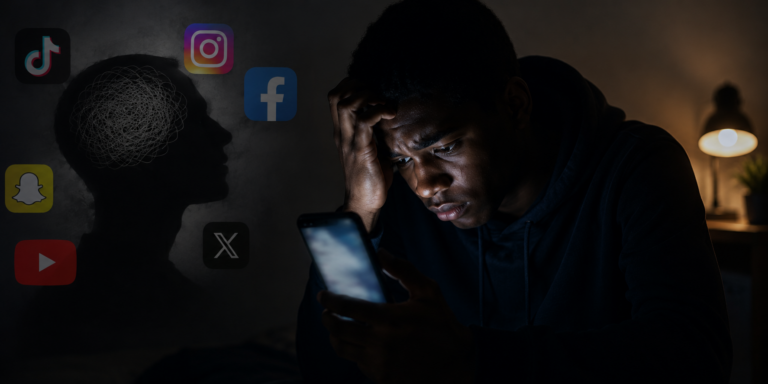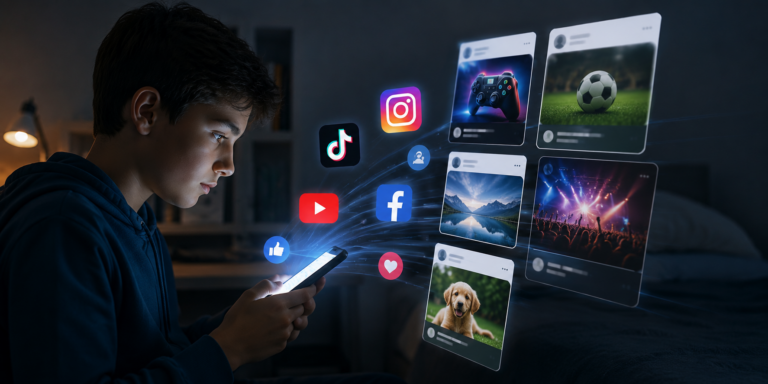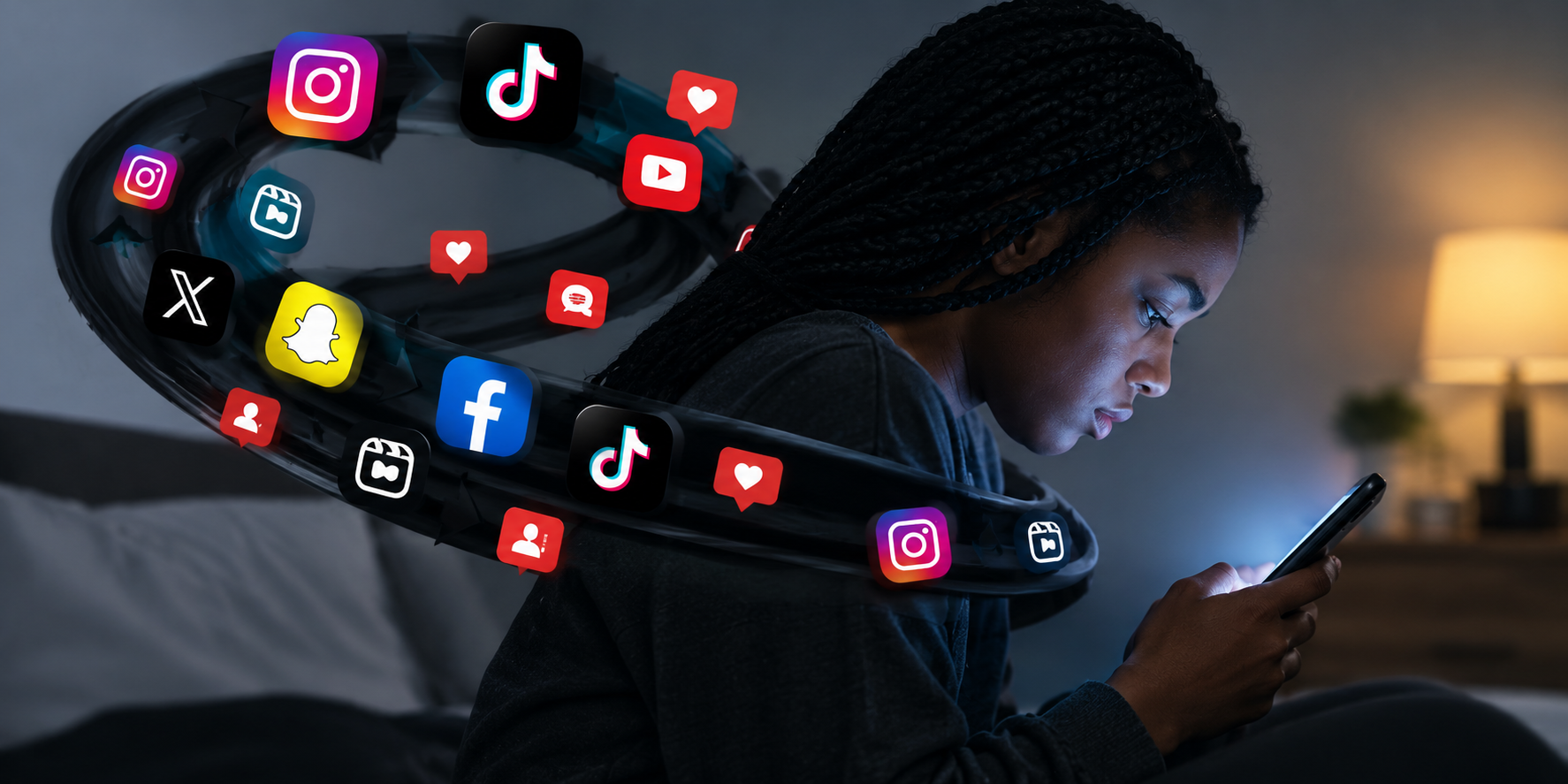
You open Instagram to check one message. Forty-five minutes later you are still scrolling. You did not plan this. You did not enjoy most of what you saw. But you could not stop. Your thumb moves automatically. Your eyes stay glued. Your brain keeps looking for the next hit.
This is not weakness. This is not lack of discipline. This is the addiction loop. It is designed. It is engineered. It works exactly as intended.
The combination of social media and adult content creates one of the most powerful addiction mechanisms ever invented. The two systems feed each other. Each one reinforces the other. Together they trap users in a cycle that is extremely difficult to escape.
How Addiction Actually Works
Addiction is not about pleasure. It is about relief from craving.
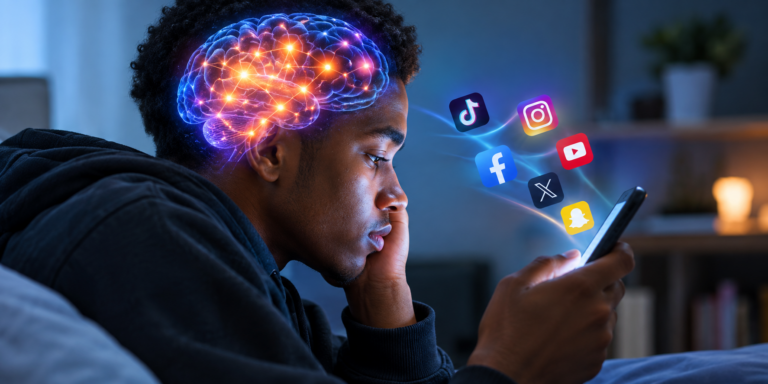
The brain releases dopamine in anticipation of a reward. The dopamine creates a feeling of wanting. The wanting drives behaviour. When the reward arrives, the brain releases more dopamine. The cycle repeats.
Over time, the brain builds tolerance. The same reward produces less response. More stimulation is needed to achieve the same effect. The user escalates. They seek more content. They spend more time. The cycle deepens.
The key to addiction is unpredictability. When rewards are unpredictable, the brain releases more dopamine in anticipation. Slot machines use this principle. Social media uses the same principle. You never know what the next scroll will reveal. The unpredictability keeps you scrolling.
The Social Media Trap
Social media platforms are designed like slot machines.
The scroll mechanism is identical to pulling a slot machine lever. Each scroll reveals something new. Most of it is boring. Some of it is mildly interesting. Occasionally something exciting appears. The unpredictability keeps you pulling the lever.
The notifications are dopamine triggers. A like, a comment, a follow. Each notification creates a small spike of pleasure. The brain learns to seek these spikes. It checks the app repeatedly hoping for another hit.
The infinite scroll removes stopping cues. In the physical world, finishing a page signals it is time to stop. On social media, there is no end. The content continues forever. The absence of stopping cues means you scroll until something external interrupts you.
The FOMO keeps you returning. Stories disappear after twenty-four hours. Trends expire. Discussions move on. If you do not check now, you might miss something. The fear of missing out drives repeated checking.
The Adult Content Trap
Adult content adds another layer to the addiction.
Sexual arousal is one of the most powerful dopamine triggers available. The brain responds to sexual stimuli automatically. It is not a choice. It is biology.
When adult content appears in the social media feed, it triggers an arousal response. The response is stronger than the response to normal content. The brain remembers. It wants more.
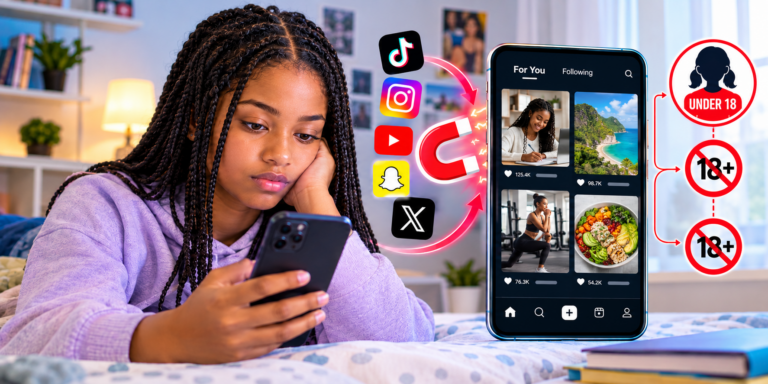
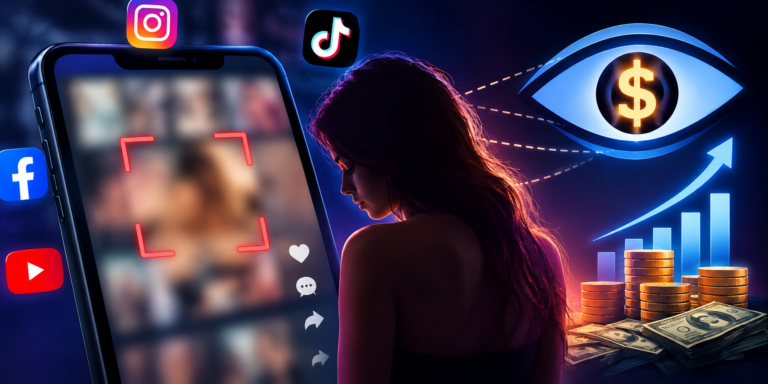
The algorithm notices. The pause on suggestive content is recorded. The click is recorded. The follow is recorded. The algorithm serves more similar content. The arousal response repeats. The cycle begins.
The escalation follows. What triggered arousal initially becomes familiar. The brain builds tolerance. More explicit content is needed. The user seeks it. The algorithm provides it. The cycle deepens.
How the Two Traps Work Together
The real power comes from the combination.
Social media provides the unpredictability. You never know what the next scroll will reveal. Sometimes it is a friend’s update. Sometimes it is news. Sometimes it is suggestive content. The unpredictability keeps you engaged.
Adult content provides the powerful reward. When it appears, the dopamine spike is significant. The brain remembers. It keeps scrolling hoping for another hit. The unpredictability of when adult content will appear makes the reward more powerful.
The combination creates a loop. You scroll for social connection. You encounter sexual content. The arousal keeps you engaged. You scroll more hoping for another hit. The social content keeps you feeling connected. The sexual content keeps you aroused. The loop continues indefinitely.
This is not accidental. The platforms know that sexual content drives engagement. They know that unpredictability drives addiction. The combination is their business model.
Why You Cannot Stop
Here is the uncomfortable truth. You cannot stop because the system is designed to prevent you from stopping.
The FOMO brings you back when you try to leave. You uninstall the app. Then you wonder what you are missing. A friend asks if you saw a post. A news event breaks. You reinstall. The loop begins again.
The algorithm knows you. It has been trained on your behaviour for months or years. It knows what triggers you. It knows when you are most vulnerable. It serves the content most likely to keep you engaged.
The suggestive content appears at exactly the right moments. When you are bored, the algorithm serves entertainment. When you are lonely, it serves connection. When you are aroused, it serves sexual content. The algorithm reads your behaviour and responds in real time.
The social pressure keeps you present. Your friends are on the platform. Your family is on the platform. Your work connections are on the platform. Leaving feels like isolation. The fear of isolation keeps you returning.
The Consequences of the Loop
The addiction loop has real costs.
Time disappears. Hours that could be spent on work, study, relationships, or rest are consumed by scrolling. The time cost accumulates silently. Users do not notice until they look up and realize the day is gone.
Mental health deteriorates. Anxiety increases. Depression deepens. Self-esteem falls. The comparison to others creates inadequacy. The exposure to sexual content creates unrealistic expectations. The shame of addiction creates guilt.
Relationships suffer. Attention is diverted from partners to screens. Intimacy is replaced by fantasy. Trust is broken by hidden consumption. The loop damages the connections that could provide genuine satisfaction.
Spiritual health declines. Users who value their faith find themselves trapped in behaviour they believe is wrong. The guilt creates shame. The shame drives them back to the content as escape. The cycle reinforces itself.
Breaking the Loop
Breaking free is possible but requires deliberate action.
Recognize the addiction. The first step is honesty. If you cannot go a day without checking social media, you have a dependency. If sexual content appears and you do not immediately scroll past, the loop has captured you. Acknowledge the problem.
Change your environment. Remove apps from your phone. Use browser versions only. The extra friction reduces impulsive checking. Create physical distance between yourself and the triggers.
Use blocking tools. Content filters, DNS blocking, and parental controls can reduce exposure. They are not perfect but they help. The less exposure, the weaker the loop.
Fill the void. Addiction fills a need. When you remove social media, you need something to replace it. Real-world relationships. Physical activity. Creative work. Spiritual practice. The void must be filled or the addiction returns.
Choose different platforms. Not all platforms operate on the addiction loop model. ModafVibe does not. Our platform does not serve adult content. Our algorithm does not maximize engagement at any cost. Our business model does not depend on trapping users in addiction loops.
The ModafVibe Alternative
ModafVibe was built because the addiction loop is unacceptable.
We do not serve adult content. Zero. None. Not explicit, not suggestive, not disguised. The trigger does not exist on our platform.
We do not design for addiction. Our algorithm does not use unpredictability to keep users hooked. We do not remove stopping cues. We do not manufacture FOMO. We built a platform for genuine connection, not for extracting maximum attention.
You can use ModafVibe without being trapped. You can connect without being manipulated. You can scroll without being aroused. You can leave without feeling like you are missing something essential.
The mainstream platforms will not change. The addiction loop is their business model. The change must come from you choosing a different platform.
Break the loop. Choose ModafVibe. Your time belongs to you. Your attention belongs to you. Your mental health matters more than their engagement metrics.
Frequently Asked Questions
How do I know if I am addicted?
Ask yourself whether you can stop for a week without significant distress. Ask whether social media interferes with your work, relationships, or sleep. Ask whether you have tried to stop and failed. Honest answers reveal the truth.
Is social media addiction recognized by professionals?
Yes. Behavioural addiction to social media is recognized by mental health professionals. The mechanisms are similar to gambling addiction. Treatment approaches exist and are effective.
Can I use social media without becoming addicted?
Some people can. The risk depends on usage patterns, underlying vulnerabilities, and platform design. Platforms designed for addiction are harder to use safely. Platforms designed for connection are easier.
What should I do if I have tried to stop and failed?
Seek support. Talk to someone you trust. Consider professional counselling. Join support communities for people struggling with digital addiction. You do not have to fight alone.
The Choice
The addiction loop is real. It is designed. It works. It has trapped millions of users. It will trap millions more.
You cannot change the platforms. You can change your relationship with them. You can choose platforms that do not trap you.
ModafVibe is that choice. A platform without adult content. Without addiction design. Without manipulation. Just genuine connection in a safe space.
Break the loop. Choose freedom. Choose ModafVibe.