The price of food in Nigeria right now is not a joke. Tomatoes that used to be cheap now require a small budget. A tuber of yam costs what a full meal used to cost. Cooking gas prices keep climbing. Every trip to the market leaves you wondering where the money went.
Meal planning is supposed to help. The idea is simple. You plan what you will eat for the week, buy only what you need, and avoid impulse purchases at the market or roadside stalls. Good in theory. Harder in practice. Planning meals requires time, knowledge of current prices, and creativity to stretch ingredients across multiple days.
I wondered if AI could solve this. ChatGPT has been used for meal planning in other countries. People ask it to create weekly plans with specific budgets and dietary preferences. But most of those tests happen in America or Europe where food prices are stable and the AI understands the local context.
Could an AI create a realistic meal plan for a Nigerian on a tight budget? A plan that accounts for Nigerian foods, Nigerian cooking methods, and actual prices in Nigerian markets? I decided to test it.
The Rules I Set
The budget was ten thousand naira for one week of meals for one person. This works out to roughly one thousand four hundred naira per day. That is not generous. It is tight. But it represents what many Nigerians are working with right now.
The AI had to plan meals that a real Nigerian would actually eat. No quinoa salads. No avocado toast. No foreign ingredients that require a special trip to a supermarket in Victoria Island. Nigerian food that you can buy ingredients for in any local market.
The AI had to account for breakfast, lunch, and dinner for seven full days. Snacks were optional. Drinks were water which costs nothing extra if you have a water source.
The AI had to provide a shopping list with estimated prices. This was the hard part. AI tools do not know current Nigerian market prices. They might suggest prices from two years ago or prices from completely different countries.
I used ChatGPT and Claude for this test. I gave both AIs the same prompt and compared the results.
What the AI Suggested
Both AIs produced meal plans. The plans were structured and detailed. They included shopping lists with cost estimates. On the surface, they looked useful.
The meal plans featured Nigerian foods. Rice, beans, yam, spaghetti, eggs, bread, garri, vegetables, chicken, fish, groundnut oil, seasoning. These are real ingredients that Nigerians cook with. The AI clearly understood that a Nigerian meal plan should feature Nigerian staples.
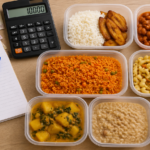
Breakfast suggestions included bread and eggs, pap and akara, tea with bread, and leftover rice from previous dinners. Realistic breakfasts that Nigerians actually eat.
Lunch suggestions were lighter. Rice dishes, beans, spaghetti. Dinners were similar. The meals repeated ingredients across days which is exactly what budget meal planning requires. Buy ingredients in bulk and use them across multiple meals.
The shopping list included quantities. Half a crate of eggs. One packet of spaghetti. One derica of beans. Two derica of rice. These quantities made sense for one person eating for one week.
Where the AI Got It Wrong
The problems emerged when I compared the AI price estimates to actual market prices.
The AI estimated rice at around eight hundred naira per derica. I went to my local market in Lagos. The cheapest rice was selling for one thousand two hundred naira per derica. The AI was off by fifty percent.
The AI estimated a full chicken at two thousand five hundred naira. The actual price at my local market was four thousand naira for a medium-sized chicken. Another significant miss.
The AI estimated tomatoes at three hundred naira for a small basket. The actual price was seven hundred naira. Pepper prices were similarly underestimated.
When I totaled the AI estimates, the weekly shop came to roughly nine thousand eight hundred naira. Within budget. When I totaled the actual market prices, the same shopping list came to nearly fifteen thousand naira. Fifty percent over budget.
The AI did not understand Nigerian food inflation. Its training data included older information when prices were lower. It could not access current market prices. This is a critical limitation for anyone using AI to plan a real budget.
AI vs Reality Price Comparison
| Ingredient | AI Estimate (₦) | Actual Market Price (₦) | Difference |
|---|---|---|---|
| Rice (per derica) | 800 | 1,200 | +50% |
| Full Chicken (medium) | 2,500 | 4,000 | +60% |
| Tomatoes (small basket) | 300 | 700 | +133% |
| Total Weekly Shop | 9,800 | ~15,000 | +53% |
Adjusting the Plan for Reality
I decided to work with the AI to fix the plan. I gave it the actual prices from my market visit and asked it to adjust.
The AI cut the chicken entirely. Too expensive. It replaced chicken with more affordable protein sources. More eggs. Dried fish instead of fresh fish. Beans as a protein source on multiple days.
It reduced the variety of vegetables. Instead of buying tomatoes, peppers, and onions separately, it suggested buying a smaller quantity of each and using them sparingly across meals.
It increased reliance on garri and rice which provide filling calories at lower cost per serving.
The adjusted plan was less exciting than the original. Fewer different meals. More repetition. Less meat. But it came closer to the ten thousand naira budget. The adjusted total was approximately eleven thousand three hundred naira. Still slightly over but much closer to realistic.
What One Week Actually Looked Like
The adjusted meal plan looked like this.
Monday started with bread and egg for breakfast. Lunch was rice with stew made from blended tomatoes, peppers, and dried fish. Dinner was garri soaked in cold water with groundnuts.
Tuesday breakfast was pap and akara. Lunch was the leftover rice and stew from Monday. Dinner was spaghetti with egg.
Wednesday repeated the bread and egg breakfast. Lunch was beans with garri. Dinner was spaghetti with the remaining stew.
The pattern continued through the week. Meals repeated. Breakfast rotated between bread and egg and pap and akara. Lunch and dinner alternated between rice, beans, spaghetti, and garri-based meals.
Protein was stretched thin. The eggs were rationed carefully. Meat appeared maybe twice the entire week. Fish was used more as flavouring than as a main component.
This is not a glamorous meal plan. It is functional. It provides adequate calories and basic nutrition. It fits within a tight budget. It represents how many Nigerians actually eat when money is tight.
What the AI Did Well
Despite the pricing errors, the AI contributed value to the meal planning process.
The AI was good at suggesting ingredient combinations that reduce waste. If you buy a crate of eggs, the AI ensures eggs appear across multiple meals until they finish. If you cook a pot of stew, the AI schedules meals that use that stew over several days. Nothing goes to waste because everything is accounted for.
The AI was good at variety within constraints. The meals repeated but not identically. Rice and stew on Monday. Rice and beans on Wednesday. The base ingredient is the same but the preparation differs. This small variety makes a repetitive meal plan more livable.
The AI was good at structure. Having a plan written down removes the daily mental load of deciding what to cook. You wake up knowing what you will eat. You cook accordingly. This saves time and mental energy even when the meals themselves are simple.
The AI was non-judgmental. You can tell it your budget is ten thousand naira and it simply works within that constraint. No commentary about how you should increase your food budget. No suggestions to just earn more money. It meets you where you are.
Lessons From This Experiment
AI is a useful meal planning assistant but not a replacement for local knowledge. The AI provides structure, variety within constraints, and waste-reducing meal scheduling. You must verify prices yourself. You must adjust based on what is actually available in your market. The AI is the planner. You are the reality checker.
Budget meal planning in Nigeria requires flexibility. The AI might suggest an ingredient that is unavailable or unexpectedly expensive when you reach the market. You must substitute. You must adjust on the fly. The plan is a guide, not a rigid contract.
Ten thousand naira for one week of meals is possible but tight. It requires cooking every meal at home. It requires accepting repetition. It requires prioritizing calories and basic nutrition over variety and enjoyment. The AI can create a plan that meets the budget but the plan reflects the budget reality, not an aspirational lifestyle.
Nigerian food inflation makes AI meal planning challenging because the AI training data lags behind current prices. This will improve over time as AI tools gain access to more current information. For now, the AI provides the framework. You provide the pricing reality.
Frequently Asked Questions
Can AI create meal plans for a family, not just one person?
Yes. You can specify the number of people and the AI scales the ingredients and budget accordingly. The same pricing verification process applies. Check the AI estimates against actual market prices before relying on the plan.
Does the AI understand Nigerian food allergies or dietary restrictions?
You can specify restrictions in your prompt. Tell the AI you cannot eat certain foods or that you prefer certain diets. The AI accommodates these requests within the budget constraints.
Can the AI suggest where to buy ingredients at the best prices?
No. The AI does not know current prices at specific markets or stores. You must source pricing information yourself. The AI provides the shopping list. You find the best prices.
What if I have a lower budget than ten thousand naira?
Reduce the budget in your prompt. The AI adjusts. Be prepared for more repetition, fewer protein sources, and simpler meals. The AI will create the best plan possible within whatever budget you provide.
Can the AI plan meals around what I already have in my kitchen?
Yes. Tell the AI what ingredients you already have. It builds the plan around those ingredients first, then suggests what additional items to buy. This reduces waste and stretches your budget further.
Try It Yourself Tonight
Open ChatGPT or Claude on your phone. Type your actual weekly food budget. Ask it to create a seven-day meal plan with a shopping list and estimated prices. Take the shopping list to your local market. Compare the AI estimates to actual prices. Adjust.
The AI will not be perfect. The prices will be wrong. But the structure, the waste reduction, and the mental load reduction are valuable. Use the AI as a planning assistant. Use your market knowledge as the reality check. Together, they produce a meal plan that helps you eat within your budget without the daily stress of deciding what to cook.