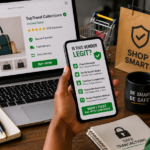
You found the perfect item on Instagram. The price is reasonable. The vendor’s page looks professional with nice product photos and some comments from happy customers. They have a WhatsApp number in their bio. You send a message, they reply quickly, and now they are asking for payment before delivery.
This is the moment of risk. Send money to the wrong person and it disappears. The vendor blocks you. The page vanishes. You join the thousands of Nigerians who lose money to fake online vendors every month.
Verifying a vendor before payment takes a few minutes. Most people skip this step because they want the product and the conversation felt genuine. Trusting your gut is not a verification strategy. These practical checks help you separate real businesses from scams.
Check How Long the Page Has Existed
Scam pages are short-lived. They appear, defraud people for a few weeks or months, and disappear when complaints pile up. A legitimate business page typically has history.
On Instagram, scroll to the very bottom of the vendor’s feed. Look at the date of their first post. A page that started posting three months ago and suddenly sells products aggressively is riskier than a page with posts dating back two or three years.
On Facebook, the page transparency section shows creation date. Click the page name. Look for Page Transparency in the settings or about section. It displays when the page was created and whether the page name has changed. Frequent name changes are a red flag. Legitimate businesses rarely change their page name.
On Twitter, scroll through the account’s timeline history. Accounts created recently with few tweets before switching to heavy selling mode should raise suspicion.
A short history does not guarantee a scam. New businesses launch legitimately. But a short history combined with other red flags strengthens the case for caution.
Search the Vendor’s Name and Phone Number
Scammers reuse elements across scams. A name that appears in multiple warnings is a known risk. A phone number associated with complaints elsewhere is a clear signal.
Copy the vendor’s full name or business name. Paste it into Google search with the word “scam” or “fake” or “review” after it. Search results showing complaints from previous victims are the most valuable information you can find.
Copy the vendor’s phone number. Paste it into Google search. Scam phone numbers often appear in multiple warnings across different platforms. A phone number linked to different business names selling different products is suspicious. Legitimate businesses use consistent numbers.
Search the phone number on Truecaller if you have it installed. The app sometimes shows other users’ tags for that number. Tags like “scam,” “fake vendor,” or “do not trust” are self-explanatory warnings.
Check if the vendor appears on scam warning pages. Nigerian social media has several accounts dedicated to exposing fake vendors. Search platforms like Nairaland for the vendor’s name. These communities document scam experiences and provide searchable records.
Request Specific Information
Scammers resist providing verifiable details. Legitimate vendors answer questions openly.
Ask for a physical address. Not a vague location like “Lagos” but a specific address with street name and area. Ask if you can visit to see the product physically. A vendor with a real location will either agree or explain reasonably why visits are not possible. A scammer will become evasive or aggressive.
Ask for a video call showing the product. Request to see the exact item you are buying, not a catalogue image. A legitimate vendor with physical stock can do this. A scammer will make excuses about camera problems, low battery, or poor lighting.
Ask for references from previous customers you can contact directly. Screenshots of chat conversations are easily faked. Speaking to a real person who successfully received their order carries more weight. Some vendors have review groups or channels where customers share experiences. Join and observe. Ask questions.
Reverse Image Search Product Photos
Scammers steal product photos from legitimate businesses and pass them off as their own. Reverse image search reveals the true source.
Download or screenshot the vendor’s product photos. Upload them to Google Images using the camera icon in the search bar. Google shows where else that image appears online.
If the same image appears on multiple vendor pages with different names, the photo is stolen. If the image appears on a foreign website with a much higher price, the vendor likely stole the image and does not have the product. If the image appears only on the vendor’s own consistent social media presence, that supports legitimacy.
Focus on product photos that look professionally shot. These are the ones most likely stolen from other sources. User-generated style photos captured casually are harder to fake.
Test Their Customer Service Process
How a vendor handles pre-sale inquiries reveals their legitimacy.
Send an inquiry at an unusual hour. Legitimate businesses respond during business hours. Scammers often respond immediately at any hour because closing deals is their full-time activity.
Ask a detailed question about the product. Something specific about materials, sizing, warranty, or origin. Legitimate vendors answer with product knowledge. Scammers give vague responses and push for payment quickly.
Request an alternative payment method. Ask if you can pay a deposit first and the balance upon delivery. Legitimate vendors may negotiate terms. Scammers almost always demand full payment upfront and refuse alternatives.
Check Payment Details
The payment information reveals patterns.
Personal bank account names that do not match the business name are not automatically fraudulent. Many small Nigerian businesses use personal accounts. However, an account name completely different from the vendor’s stated name warrants questions.
Multiple payment accounts under different names are a red flag. A vendor who gives you different account details each time you ask is likely a scammer rotating through accounts as previous ones get reported.
Business accounts registered in the company name carry more weight than personal accounts. This is not always feasible for small vendors but is a positive signal when present.
Start With a Small Test Order
If everything above checks out but doubt remains, reduce your risk exposure.
Order the cheapest item the vendor sells. A small product that costs little. If the transaction completes successfully, the vendor has demonstrated reliability. You can place larger orders with more confidence.
Be willing to lose the test amount. Consider it a verification cost. Losing two thousand naira on a test order is better than losing fifty thousand naira on a full order to an unverified vendor.
Verification Checklist at a Glance
| Check | Green Flag | Red Flag |
|---|---|---|
| Page age | Posts dating back 1+ years | Created weeks/months ago |
| Name/phone search | Consistent across platforms | Linked to complaints or multiple businesses |
| Physical address | Specific, verifiable location | Vague or refuses to share |
| Video call | Shows actual product live | Excuses, avoidance |
| Reverse image search | Images unique to vendor | Stolen from other sources |
| Payment details | Consistent account name | Multiple accounts, mismatched names |
| Payment terms | Open to negotiation | Demands full payment, refuses alternatives |
What Legitimate Vendors Do Differently
Understanding legitimate vendor behaviour helps distinguish it from scammer behaviour.
Legitimate vendors have consistent branding across platforms. Same name, same logo, same phone number. They do not operate under multiple identities.
Legitimate vendors have customer reviews that include negative feedback. Perfect five-star reviews everywhere are suspicious. Real businesses have occasional complaints. How they respond to complaints reveals their character.
Legitimate vendors accept multiple payment methods. They may prefer certain methods but do not pressure you into a single option.
Legitimate vendors allow reasonable inspection periods after delivery. A vendor who rushes you to confirm receipt before you have properly checked the product is concerning.
Legitimate vendors are registered businesses or are transparent about being informal. They do not pretend to be bigger than they are.
What to Do If You Suspect a Scam
Do not confront the vendor aggressively. This prompts them to block you before you can gather evidence. Remain polite while conducting your verification.
Do not send money if multiple red flags appear. The desire for the product is strong. The risk of losing your money is stronger. Walk away.
Report suspicious pages to the platform. Instagram, Facebook, and Twitter have reporting mechanisms for fraudulent accounts. Reports from multiple users trigger platform review.
Share your experience to warn others. Post in consumer awareness groups. Mention the vendor name and phone number so future searches find your warning.
Frequently Asked Questions
Can I recover money sent to a fake vendor?
Rarely. Bank transfers to personal accounts are difficult to reverse. If you act within hours, contacting your bank immediately might stop the transfer. After the scammer withdraws the money, recovery is unlikely. Prevention matters more than recovery.
Are vendors who ask for full payment before delivery always scams?
Not always. Many legitimate small businesses require full payment before dispatch because they lack working capital. The payment method alone does not determine legitimacy. Combine this factor with other verification steps.
What if the vendor has many followers?
Follower count is easily faked. Purchased followers look real but represent no actual customer base. Check engagement rates. A page with fifty thousand followers averaging five comments per post has likely purchased followers. Genuine engagement matters more than follower count.
Should I only buy from vendors on Jumia and Konga?
Established platforms offer buyer protection that social media vendors do not. The risk is lower. However, many legitimate small businesses operate on Instagram and WhatsApp. The verification steps in this guide apply regardless of platform.
How do I verify international vendors?
The same principles apply. Check domain age for websites. Search company name with scam keywords. Request specific product photos with today’s date. International vendor verification follows the same logic with additional attention to shipping and customs claims.
Verify Before You Send
The excitement of finding what you want at a good price clouds judgment. Scammers exploit this. The pause between finding a product and sending money is your protection window. Use it.
Run the checks. Search the name. Reverse the image. Ask the questions. If the vendor passes, proceed with confidence. If they fail, walk away knowing you just saved yourself money and frustration.
A few minutes of verification prevents weeks of regret. Make it your standard practice. Every vendor. Every time. No exceptions.