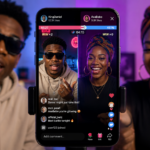
Open TikTok any evening and you will see them. Two Nigerians on a split screen, talking to their audiences, asking for gifts. The comments are moving fast. Coins are dropping. The battle timer counts down. One side is winning, then the other catches up. The tension feels real.
TikTok Live battles have become a dominant form of entertainment for Nigerian users. What started as a niche feature has grown into a cultural phenomenon that is reshaping how Nigerians spend their evenings, how creators earn money, and how communities form online.
This post explains what is happening, why it is growing so fast, and what it means for Nigerian creators and viewers.
What TikTok Live Battles Actually Are
A Live battle is a competition between two creators who are both streaming live. Their audiences watch them side by side on a split screen. The goal is to receive more virtual gifts than the opponent within a set time, usually five minutes.
Viewers send gifts using TikTok coins purchased with real money. A rose might cost a few coins. A lion or a TikTok universe can cost thousands of coins. Each gift contributes points to the creator’s score. When the timer ends, the creator with more points wins.
The winner gets bragging rights and often a share of the gift revenue. The loser might face a punishment agreed upon before the battle. Singing a song, doing a dance, pouring water on themselves, or simply accepting defeat gracefully.
What makes battles compelling is the real-time drama. The score changes by the second. A viewer dropping a large gift at the last moment can flip the result. The chat erupts. The creator celebrates or pretends to be devastated. It is live entertainment with stakes that feel personal.
Why Battles Exploded in Nigeria
Several factors combined to make Nigeria a hotspot for TikTok battles.
The Nigerian love for competition runs deep. We argue about football. We debate about music. We support our own against outsiders. Battles tap directly into this competitive spirit. When a creator you follow is in a battle, supporting them feels like supporting your team.
The economic incentive is real. Nigerian creators have discovered that battles generate more gift revenue than regular solo live streams. The competitive format encourages viewers to give. The public nature of the battle creates social pressure. Viewers see others giving and feel motivated to contribute.
The entertainment value is high. Battles are unpredictable. Drama happens naturally. Creators beg, plead, joke, and sometimes argue. The banter between opponents can be genuinely funny. For viewers, it is free entertainment with the option to participate through gifting.
The community aspect is powerful. Regular battle viewers form communities around their favourite creators. They have inside jokes. They have team names. They coordinate gift drops. Belonging to a battle community provides social connection in a digital space.
Nigerian creators adapted the format to local culture. They use Pidgin during battles. They reference Nigerian events and trends. They create drama that Nigerian audiences find relatable. The battles feel Nigerian, not like imported foreign content.
How Nigerian Creators Make Money from Battles
The economics of battles are more complex than they appear.
Gift revenue is the direct income. Viewers purchase coins from TikTok. They spend those coins on gifts during battles. TikTok takes a percentage, reportedly around fifty percent. The creator receives the rest.
During a successful battle, a creator can earn significant amounts in minutes. A single large gift like a TikTok universe costs the sender approximately forty thousand naira worth of coins. The creator might receive roughly half of that. Several such gifts in one battle add up quickly.
Top Nigerian battle creators earn millions of naira monthly from gifts alone. This does not include brand deals, sponsored battles, or other income streams they build on top of their battle fame.
Some creators have managers or teams who coordinate gift strategies. They have gifters, wealthy supporters who are known for dropping large gifts, who are cultivated and appreciated. Relationships with big gifters are maintained through WhatsApp groups, personal attention, and sometimes offline meetings.
The incentive structure means creators spend hours daily on live. More live time means more battle opportunities means more gift opportunities. Some Nigerian creators go live for six to eight hours daily, moving from battle to battle.
The Culture Around Battles
A distinct culture has formed around Nigerian TikTok battles.
Gifters become celebrities in their own right. A gifter who consistently drops large gifts develops a reputation. Their name appears on leaderboards. Creators call them out by name and thank them profusely. Other viewers recognize them. Some gifters enjoy this recognition as much as the creators enjoy the gifts.
Battle language has developed. Terms like “tap tap,” “double tap,” “drop,” “finish them,” and “we move” are used during battles. Each creator develops their own catchphrases. Regular viewers learn the language and feel like insiders.
Alliances and rivalries form between creators. Some battle partners become friends who battle each other regularly. Others develop real tensions that spill into drama content. Viewers pick sides. The drama drives more viewing and more gifting.
Gifting teams organize themselves. A creator’s top supporters form a community. They coordinate to win important battles. They celebrate victories together. The team identity adds meaning beyond just watching content.
The Criticism and Controversy
Battles have attracted criticism from various quarters.
Some argue that battles exploit viewers. The pressure to gift, the public recognition of gifters, and the emotional manipulation during battles can lead people to spend money they cannot afford. Stories circulate of viewers who spent their school fees or rent money on battle gifts.
Others criticize the content quality. Battles can be repetitive. Creators begging for gifts for hours does not constitute quality entertainment in the view of critics. The drama can feel manufactured and exhausting.
Religious and cultural critics argue that the time spent watching battles could be used more productively. Students watching battles instead of studying. Young people spending money on virtual gifts instead of saving or investing.
TikTok has introduced features to address some concerns. Daily spending limits can be set. Age restrictions exist for sending gifts. But enforcement is inconsistent and determined users find ways around restrictions.
What Battles Mean for Nigerian Creators
For creators who have figured out the battle format, it represents a genuine income opportunity in a country where traditional employment is scarce.
Several Nigerian creators have built careers entirely around TikTok Live. They stream consistently, build loyal gifting communities, and earn more than they would in conventional jobs. Some have moved from poverty to relative comfort through battle income.
The barrier to entry is low. You need a phone, internet access, and personality. You do not need formal education. You do not need connections. You do not need startup capital. Battles have created an unexpected pathway to income for Nigerians with charisma and consistency.
However, sustainability is a concern. Battle income depends on maintaining viewer interest. Gifters can move on to other creators. TikTok could change the algorithm or the gifting system. Creators who rely entirely on battles are building on rented land.
The smartest creators use battles as one income stream among several. They build their audience through battles and monetize through brand deals, product sales, and other platforms. Battles bring attention and cash flow. Other income streams provide stability.
The Future of Battles in Nigeria
Battles are likely here to stay but the format will evolve.
Competition will increase. More creators entering the battle space means audiences fragment. The creators who thrive will be those who differentiate themselves through personality, production quality, or community building.
TikTok may adjust the economics. Changes to revenue sharing or gifting mechanics could impact creator earnings. Creators who are diversified will survive changes better than those dependent on a single format.
Regulation could arrive. If concerns about exploitation grow, regulators might intervene. Age restrictions, spending caps, or transparency requirements could change how battles operate.
New platforms may adopt similar features. If TikTok battles become too saturated or regulated, creators and viewers might migrate to other platforms offering similar competitive live formats.
What Viewers Should Know
If you enjoy watching battles, understand what you are participating in. The format is designed to encourage spending. The emotional highs and lows are engineered. The pressure to gift is intentional.
Enjoy the entertainment. Support creators you genuinely value. But set limits for yourself. Decide in advance how much you are willing to spend on gifts monthly. Stick to that limit. Never spend money needed for essentials.
Remember that the relationships formed through gifting are parasocial. The creator appreciates your support but they are not your friend in the traditional sense. Maintain perspective.
For those who never spend, battles remain free entertainment. The drama, the banter, and the community can be enjoyable without ever sending a gift. Do not let the gifting pressure make you feel obligated. Watching without gifting is perfectly valid.
TikTok battles reflect something genuine about Nigerian digital culture. The competitiveness, the community formation, the entrepreneurial hustle. They are not going away. Understanding them helps you decide whether to participate, observe, or ignore them entirely.