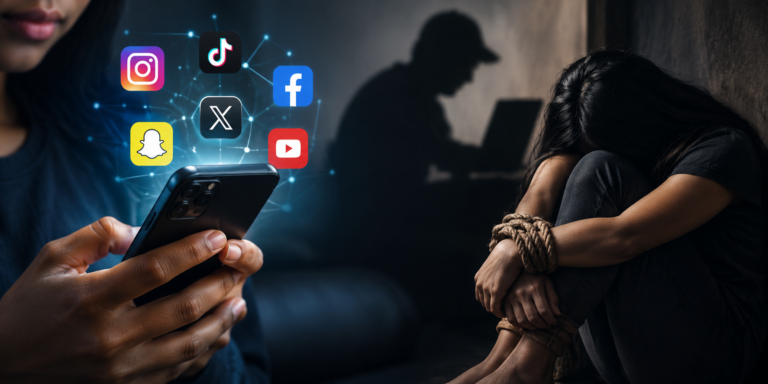
A woman sits in a hotel room in a country she did not choose to visit. Her passport was taken from her. She was promised a modelling job in Europe. Instead, she is forced to perform acts on camera. She cannot leave. She cannot refuse. The men controlling her threaten her family back home. The videos are uploaded to adult platforms. They are shared on social media. The men who watch do not know she is a victim. They do not know she was trafficked. They only know the video satisfied an urge.
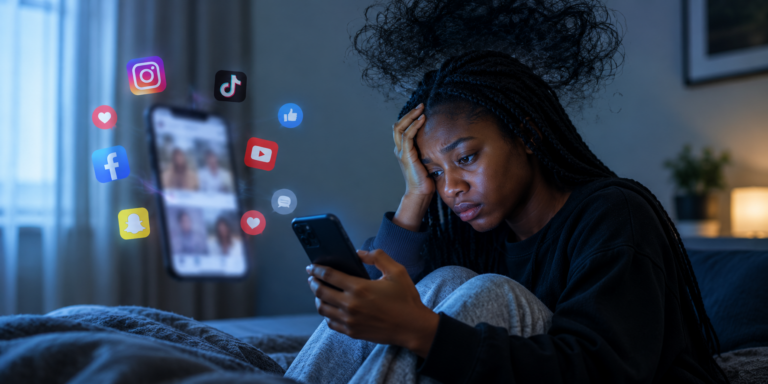
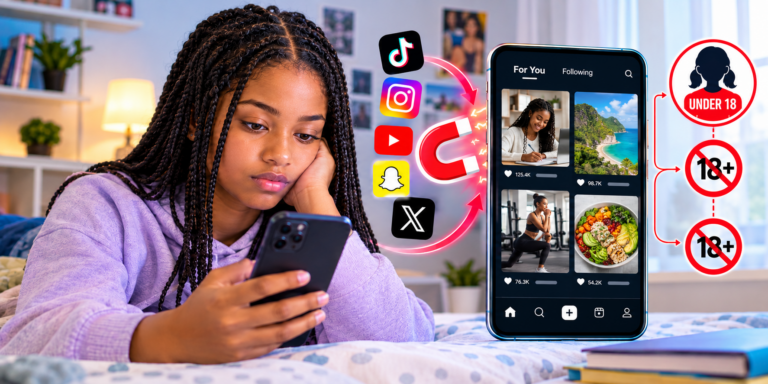
A child scrolls through a social media feed. An innocent search for cartoon characters leads to content that should never have been created. The child clicks. The child sees what no child should ever see. The image stays in the child’s mind. The child cannot unsee it. The child does not understand what happened, only that something bad occurred and they cannot tell anyone.
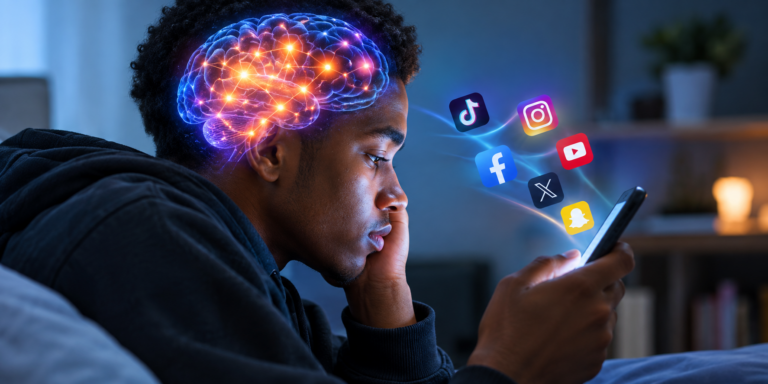
A teenager watches violent adult content. It excites him. The excitement disturbs him but he returns to it. He begins to fantasize about acting out what he watches. He reads forums where other men share similar fantasies. The normalization continues. He stops seeing women as people and starts seeing them as objects for his gratification.
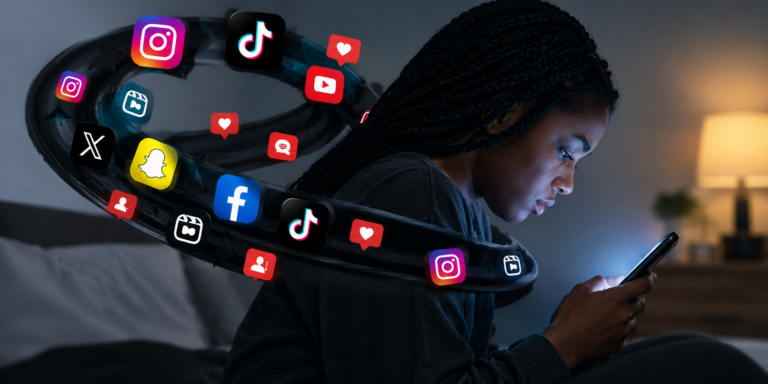
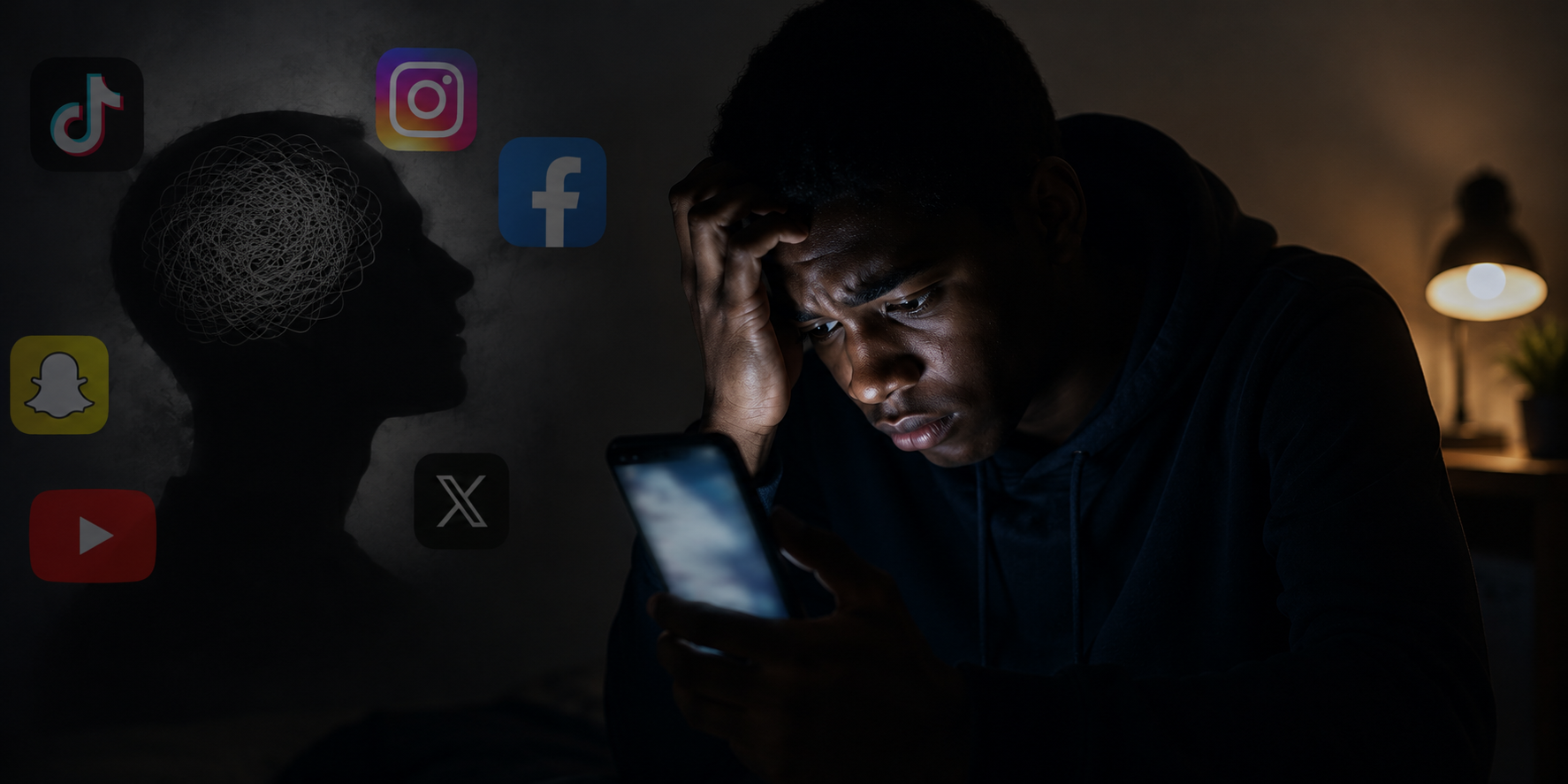
These things happen every day. They are connected to the content that flows through social media platforms. The platforms claim ignorance. The platforms claim they cannot control everything. The platforms profit from the traffic regardless.
Trafficking Feeds the Content Machine
Much of the adult content available online is not consensual. It is produced through coercion, force, and trafficking.
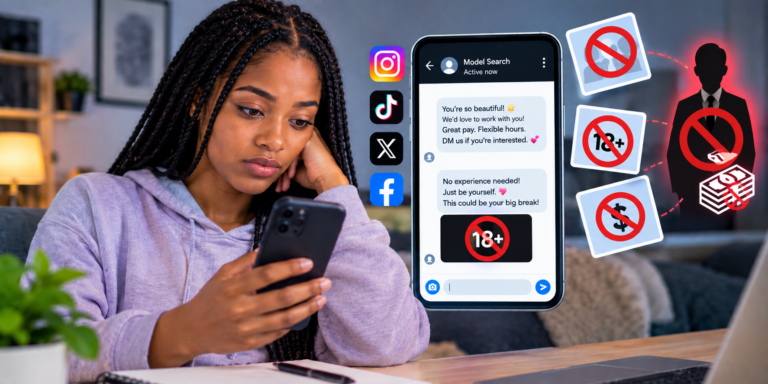
Women are lured with promises of legitimate work. Modelling contracts. Domestic jobs. Education opportunities. They travel across borders believing their lives will improve. When they arrive, the truth emerges. Their documents are confiscated. They are moved to locations they do not recognize. They are told they now work in adult entertainment. Refusal is not an option.
The methods of control are brutal. Threats against family members. Physical violence. Debt bondage where victims are told they owe money for travel and expenses and must work to repay. Isolation from anyone who might help. Language barriers that prevent seeking assistance. Fear of authorities because victims believe they themselves have done something illegal.
The videos produced from this exploitation are uploaded to adult platforms. They generate views. They generate revenue. The traffickers profit. The platforms profit from hosting the content. The social media platforms profit from driving traffic to the content. The victim profits from nothing.
The viewer sees a video. He does not see the trafficking victim. He does not see the threats, the violence, the coercion. He sees a performance. He assumes consent. He assumes this woman chose this work. The assumption is often wrong.
The Title Deception
Have you noticed the titles of adult content videos? They are designed to trigger forbidden curiosity.
“Step-mother caught alone.” “Brother catches sister.” “School girl learns lesson.” “Daughter’s friend visits.” The titles suggest incest, age-inappropriate scenarios, and power imbalances. They use the language of family relationships to create taboo excitement.
Why would a platform allow content that suggests incest? Because the forbidden nature of the suggestion drives engagement. The human brain responds to taboo. The taboo triggers arousal. The arousal drives consumption.
The content creators know the videos do not actually show family members. The actors are not related. The scenarios are fictional. But the viewer’s brain responds as if the scenario were real. The fantasy of forbidden relationships is normalized through repeated exposure.
What happens when forbidden fantasies are repeatedly reinforced? The brain builds tolerance. Simple content no longer satisfies. The viewer seeks more extreme material. The escalation continues. For some, the escalation eventually moves from fantasy to action.
Rape Culture and Imitation
Explicit content teaches scripts for sexual encounters. These scripts are often violent, degrading, and completely disconnected from consent.
A generation of young men is learning about sex from videos that show women enjoying aggressive, degrading, and sometimes violent acts. The videos show no negotiation. No consent conversation. No check-ins. The woman in the video appears to enjoy whatever happens. This is performance. It is not reality.
But young viewers do not know it is performance. They internalize the script. They believe women want what the performers pretend to want. They believe consent is assumed rather than discussed. They believe aggressive acts are normal and desired.
The result is real-world harm. Sexual encounters that ignore consent. Partners pressured into acts they do not want because “it is normal” according to what the perpetrator watched. Rapes that occur because the perpetrator believed the victim would enjoy it based on what he had seen in videos.
The connection between explicit content consumption and sexual violence is complex. Not every consumer becomes a perpetrator. But the scripts taught by violent content contribute to a culture where consent is unclear and aggression is normalized.
Children as Collateral Damage
The most vulnerable victims of this ecosystem are children.
Children are exposed to explicit content at younger ages than ever before. Accidental exposure through social media. Deliberate exposure by peers who discovered content and share it. Exposure through adults who do not secure their devices.
Once exposed, the effects are lasting. Children cannot process what they have seen. The images disturb them. They may develop anxiety, nightmares, and inappropriate behaviour. They may become curious and seek more content. The cycle of exposure and seeking repeats.
Worse than accidental exposure is deliberate targeting. Predators use social media to contact children. They build trust through gaming communities, fan groups, and shared interests. They gradually introduce explicit content. They normalize it. They exploit the child’s curiosity and confusion.
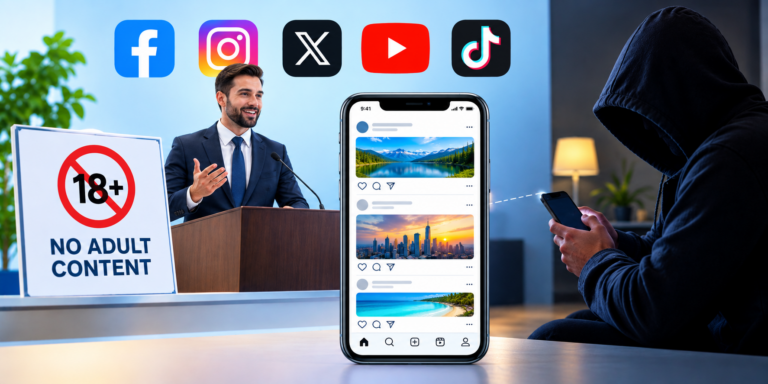
The social media platforms provide the hunting ground. The predators use platform features to find, contact, and groom victims. The platforms claim they are working to prevent this. The reality is that prevention requires investment, and investment reduces profit.
The Incest Fantasy Industry
Search trends reveal a disturbing obsession with incest-themed content. The fantasy of family members in sexual scenarios is one of the most searched categories online.
Why does this content exist? Because demand exists. Why does demand exist? Because the content itself creates and reinforces the demand. A user who would never have imagined such a scenario encounters the title. Curiosity triggers. He clicks. The taboo excitement reinforces. A new fantasy is created.
The cycle feeds itself. More content is produced. More users are introduced to the fantasy. Demand grows. Production expands. The normalization spreads.
The harm extends beyond the individual consumer. Family relationships are damaged when one member consumes this content and begins to see family members through a distorted lens. The fantasy bleeds into reality in ways that damage trust and safety within families.
What the Platforms Know
The platforms know all of this. They have the data. They see the search terms. They see the consumption patterns. They see which content drives the most engagement.
They know that forbidden titles drive clicks. They know that violent content retains viewers. They know that escalation is common. They know that some of their users are trafficking victims. They know that predators use their platforms.
They choose not to act decisively because acting decisively costs money. Removing all exploitative content would reduce traffic. Investing in real moderation would reduce profits. Accepting some level of abuse is built into the business model.
This is not an accusation. It is an observation based on publicly available information, internal leaks from former employees, and the consistent pattern of platform behaviour over years.
What You Can Do
You cannot rescue every trafficking victim. You cannot protect every child. You cannot stop the content machine alone.
You can refuse to participate. Stop consuming content that exploits. Stop following accounts that normalize degradation. Stop clicking videos with forbidden titles. Your attention is the currency they trade in. Withhold it.
You can protect your home. Use content filters. Monitor devices. Have honest conversations with children about what they might see and what to do when they see it. Create a home environment where children can report exposure without fear of punishment.
You can speak openly. The silence around this issue protects the exploiters. When you talk about trafficking, child safety, and the harms of explicit content, you break the silence. Awareness is the first step toward change.
You can support platforms that choose differently. Platforms that do not profit from exploitation. Platforms that enforce their policies consistently. Platforms that treat users as people, not as attention to harvest.
Frequently Asked Questions
How can I tell if a video features a trafficking victim?
You cannot tell from watching. That is the point. The victim looks like any other performer. Only rigorous platform verification and moderation can identify trafficked individuals. This is why platform responsibility matters.
Should I report suspicious content I see on social media?
Yes. Report content that appears to exploit. Report accounts that target children. Report videos with titles that suggest incest or abuse. Reports may not always lead to action but enough reports trigger reviews.
Can I do anything about the incest fantasy content?
Do not click it. Do not engage with it. Engagement signals to algorithms that the content is valuable. Ignoring it reduces its spread. Reporting it as inappropriate may trigger review.
How do I talk to my children about this without scaring them?
Age-appropriate honesty. Explain that some content online is harmful and not meant for them. Explain that if they see something confusing or upsetting, they should tell you. Reassure them they will not be in trouble for reporting accidental exposure.
The Hard Truth
The adult content industry is built on exploitation. Social media platforms drive traffic to that industry. The platforms profit while victims suffer. Viewers participate without realizing the harm their attention enables.
We have been told this is normal. We have been told it is harmless entertainment. We have been told the women in the videos chose this work and the scenarios are just fantasy.
Much of it is not harmless. Many of the women did not choose. The fantasies are not innocent. The consequences are real and they extend far beyond the screen.
It is time to see clearly. It is time to choose differently. Your attention matters. Where you direct it matters. Choose platforms and content that do not profit from human suffering. The choice is yours to make.