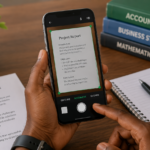
Someone asked me last week what camera I use. They expected me to name a Sony or a Canon. When I said I film on my phone, they seemed almost disappointed. As if phone content could not possibly look professional.
I understand the assumption. We have been conditioned to believe that better equipment equals better content. That you need a DSLR, a ring light, a professional microphone, and a dedicated studio space before you can call yourself a real creator.
I believed this for a while too. I delayed starting my content journey because I was waiting until I could afford proper equipment. That waiting cost me months of growth I could have been building with what I already had.
The equipment I use now is modest. Everything fits in a small corner of my room. Nothing cost more than what a student might save from two months of reasonable side income. Yet this setup produces content that brands pay for and audiences engage with.
My Phone
I use an Android phone that cost around one hundred and twenty thousand naira when I bought it. It is not a flagship. It is not the latest model. It is a solid mid-range device with a decent camera and enough processing power to handle editing.
The phone has a 64-megapixel main camera. Megapixels are not everything. Sensor quality and software processing matter more. But the camera on this phone produces clean video in good lighting and acceptable video in average lighting.
The front camera is 16 megapixels. I use this when I film myself talking to the camera. It is not as sharp as the rear camera but it allows me to see myself while recording. Framing matters more than slight differences in resolution.
The phone has 128GB of internal storage. This fills up fast when recording video. I regularly transfer old footage to cloud storage or an external drive to free up space.
Before this phone, I used a cheaper device that cost around sixty thousand naira. The camera was worse. The editing apps lagged. But I still created content with it. Your current phone is almost certainly good enough to start.
My Tripod
I use a basic phone tripod that cost four thousand five hundred naira on Jumia. It is not a branded professional tripod. It is a generic model from one of the many sellers offering phone accessories.
The tripod has three extendable legs and a phone mount that tilts. It extends to about chest height when fully opened. It folds down small enough to fit in a backpack.
Stability matters more than brand. A cheap tripod that holds your phone steady produces better video than an expensive camera held by hand. Shaky footage looks amateur regardless of the camera that captured it.
The tripod lives in the corner of my room. I do not pack it away after each use. Keeping it set up reduces the friction of filming. When I want to record, I place my phone in the mount and start. Setup takes seconds.
My Lighting
Lighting improved my video quality more than any other equipment purchase. You can have the best camera in the world and still produce terrible video if the lighting is poor.
I use a basic ring light that cost twelve thousand naira. It is ten inches in diameter. It sits on a small tripod stand on my desk. It has three colour modes. Warm, cool, and neutral. I use the neutral setting for most recordings.
The ring light has adjustable brightness. I usually set it around seventy percent. Full brightness makes my face look washed out. Fifty percent is too dim for my room. Seventy percent hits the sweet spot.
Positioning matters. The ring light sits directly behind my phone when I record. This creates even lighting on my face without harsh shadows. When I move the light to the side, shadows appear on the opposite side of my face. Straight-on lighting is the most forgiving for beginners.
Before I bought the ring light, I used natural light from my window. Morning light is soft and flattering. I positioned myself facing the window and recorded during daylight hours. This was completely free and produced decent results.
Natural light has limitations. You cannot record at night. Clouds change the light quality. The sun moves and your lighting shifts during long recording sessions. A ring light provides consistent, controllable light at any hour.
My Microphone
Audio clarity matters more than video quality for audience retention. Viewers forgive imperfect video. They do not forgive audio that strains their ears.
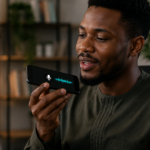
I use a BOYA BY-M1 lavalier microphone that cost five thousand five hundred naira. It is a wired clip-on microphone that connects to my phone through the headphone jack.
The microphone clips to my collar, close to my mouth. This proximity captures my voice clearly while reducing background noise. My ceiling fan, which is audible in phone microphone recordings, becomes barely noticeable with the lavalier.
The cable is long enough to allow some movement while recording. I secure the cable under my shirt to prevent rustling sounds. The included foam cover reduces harsh sounds from words with strong air blasts.
Before I bought the lavalier, I used my phone’s built-in microphone. It worked adequately in a quiet room with the windows closed. In less controlled environments, the audio quality dropped significantly.
If you can only buy one accessory, buy a microphone. Audio improvement is more noticeable than video improvement.
My Background
I do not have a dedicated studio wall with aesthetic decorations. My background is the wall of my room with a plain bedsheet hung behind me.
The sheet cost two thousand naira. It is a neutral grey colour. No patterns. No logos. Nothing that distracts from the content.
I hung the sheet using small hooks that stick to the wall. The hooks cost a few hundred naira from a local shop. The sheet covers the section of wall visible behind me when I sit at my desk.
Before the sheet, my background was my actual wall with its imperfections and random items. Nobody commented on it directly but the videos looked less polished. A plain background directs attention to you, which is where it belongs.
Some creators use a plain wall with no covering. This works if your wall is clean and uncluttered. Mine is not. The sheet solves the problem cheaply.
My Editing Setup
I edit everything on my phone using CapCut. The app is free. The premium version costs about two thousand naira monthly and unlocks additional features. I used the free version for the first year. The premium version is worth it for the advanced captioning and noise reduction features.
My phone handles CapCut reasonably well. Rendering a ten-minute video takes a few minutes. The phone gets warm during long editing sessions but has never overheated to shutdown.
I edit at my desk. The phone sits on a small stand I bought for one thousand five hundred naira. The stand angles the phone toward me, making long editing sessions more comfortable than hunching over a flat phone.
My Power Backup
Nigerian electricity is unreliable. I use a power bank that cost eight thousand naira. It has twenty thousand milliamp-hours capacity, enough to charge my phone fully about four times.
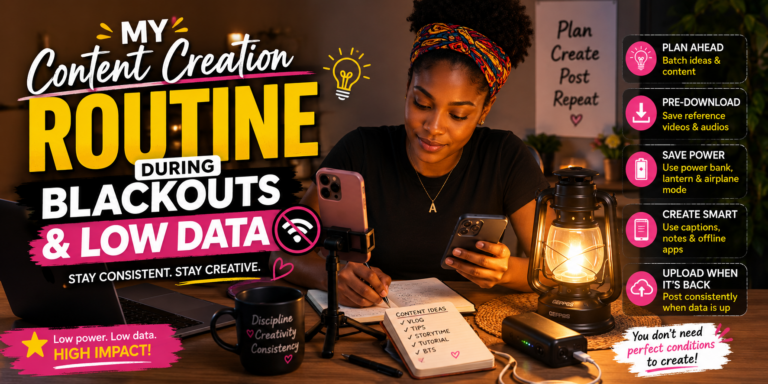
During blackouts, the power bank keeps my phone alive for recording and editing. I charge the power bank whenever electricity is available so it is always ready when needed.
I also own a small rechargeable lamp that cost three thousand naira. It provides light for recording when the room lights are off. Combined with my ring light powered by the power bank, I can record through extended blackouts.
Full Equipment Cost Breakdown
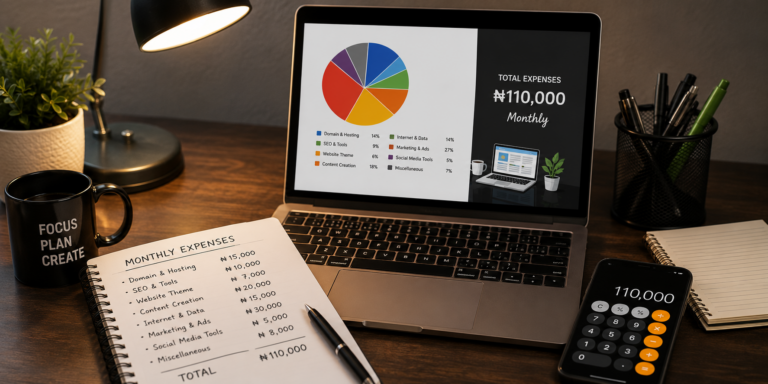
| Item | Cost (₦) | Priority |
|---|---|---|
| Phone (mid-range Android) | 120,000 | Already owned |
| Lavalier Microphone | 5,500 | Buy first |
| Tripod | 4,500 | Buy second |
| Ring Light | 12,000 | Buy third |
| Power Bank | 8,000 | Buy fourth |
| Background Sheet & Hooks | 2,300 | Buy when needed |
| Phone Stand | 1,500 | Optional |
| Rechargeable Lamp | 3,000 | Optional |
| Accessories Total | 36,800 | |
| Full Setup Total | 156,800 |
If you remove the phone which you likely already own, the accessories total approximately thirty-six thousand eight hundred naira.
This is not pocket change. It is also not an impossible amount. Saving ten thousand naira monthly for four months covers all the accessories. Many Nigerian students spend more than this on data subscriptions over the same period.
What I Would Buy Differently
I would buy the microphone earlier. I waited six months before buying an external microphone. Those six months of content have worse audio than they could have had. The microphone is the best value upgrade for any creator.
I would buy the tripod before the ring light. Stable footage with natural light looks better than shaky footage with artificial light. Stability first, lighting second.
I would not buy a more expensive phone for the camera alone. Mid-range phones today have cameras that rival flagships from three years ago. The marginal improvement from a flagship camera is not worth the massive price difference for a creator starting out.
What You Actually Need to Start
You need your current phone. It is good enough.
You need a way to keep it stable while recording. A tripod costs less than five thousand naira. A stack of books costs nothing and works temporarily.
You need light. Natural light from a window is free and beautiful. Position yourself facing the window. Record during daylight.
You need clear audio. Your phone microphone works in a quiet room. Close your windows. Turn off your fan during recording. Ask people around you for brief quiet.
That is it. Phone, stability, light, quiet. Everything else is an upgrade you buy later when content income funds the purchase.
Frequently Asked Questions
Should I buy an iPhone for content creation?
Not unless you already own one or need it for other reasons. Android phones in the mid-range produce excellent video. The difference between iPhone video and Android video is smaller than most people claim. Content quality matters more than camera brand.
Is the ring light necessary or is natural light enough?
Natural light is enough when starting out. A ring light becomes necessary when you need to record at night, on cloudy days, or consistently without depending on weather and time.
Can I use wireless earbuds as a microphone?
The microphone quality on wireless earbuds is poor for content creation. They are designed for phone calls, not recording. A cheap lavalier microphone produces much better audio.
How do you deal with background noise like generators?
A lavalier microphone positioned close to your mouth helps significantly. Recording with windows and doors closed reduces external noise. Editing apps like CapCut include noise reduction features that help clean remaining background sounds.
Do I need a laptop for editing?
No. CapCut on Android handles editing well. I have never used a laptop for any of my content. Phone editing is slower than laptop editing for complex projects but entirely adequate for most creator content.
Start With What You Have
Look around your room. Your phone is in your hand. A window provides light. A stack of books or a leaned chair provides stability. You have enough to start recording today.
The equipment in this post accumulated over months. Each piece was purchased with income from content that was created with less equipment. Start now with what you have. Upgrade as you earn. The direction of travel matters more than the starting point.