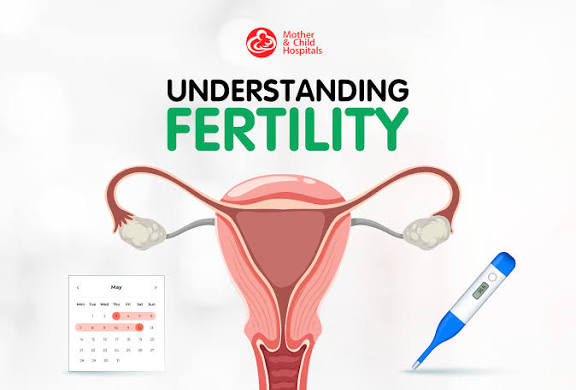
The Silent Rise of Infertility: A Growing Global Health Crisis Infertility is becoming one of the world’s fastest-growing health concerns — yet it remains one of the least discussed. Around the world, millions of couples are silently struggling to conceive, facing not just medical challenges but emotional, social, and financial pressures. Despite the scale of the problem, many still do not see infertility as a public-health issue, but recent global data shows it is now affecting people in every region. According to global health experts, infertility affects 1 in 6 people during their reproductive years. This means the issue is no longer limited to older couples or specific countries — it has become a widespread challenge that cuts across gender, income level, and geography. Why Infertility Is Increasing Several factors are contributing to this rise: 1. Changing Lifestyle Habits Stress, poor diet, lack of exercise, alcohol intake, and smoking all have a major impact on reproductive health. Urban lifestyle changes have made these risk factors more common. 2. Environmental Pollution Exposure to chemicals, plastics, pesticides, and industrial pollution affects both male and female fertility. These environmental toxins are now part of everyday life, especially in urban centers. 3. Delayed Childbearing As more people choose to pursue education and career goals first, many delay pregnancy until their 30s or 40s — when fertility naturally declines. 4. Undiagnosed Medical Conditions Conditions like PCOS (Polycystic Ovary Syndrome), endometriosis, fibroids, and untreated sexually-transmitted infections can reduce fertility. In men, low sperm count and hormonal imbalances are becoming more common. The Emotional Toll Beyond the physical aspect, infertility often brings emotional and psychological stress. Many couples experience anxiety, depression, and social isolation. In some cultures, women face stigma, blame, or pressure — even when the medical cause lies with the male partner. What Can Be Done? ✔ Improve Public Awareness People need to understand that infertility is a medical condition — not a personal failure, not a curse, and not a taboo topic. ✔ Encourage Early Health Check-ups Women and men should seek medical advice early, especially if pregnancy does not occur after 12 months of trying. ✔ Promote Healthy Lifestyle Choices A balanced diet, exercise, reduced stress, and avoiding alcohol/smoking can significantly improve fertility outcomes. ✔ Government & Health Agencies Must Act Medical experts are calling for more affordable fertility treatments, better sexual-health education, and stronger environmental health policies.
Are you sure you want to delete this post?


Getting more likes...
Getting more comments...
Getting new posts...