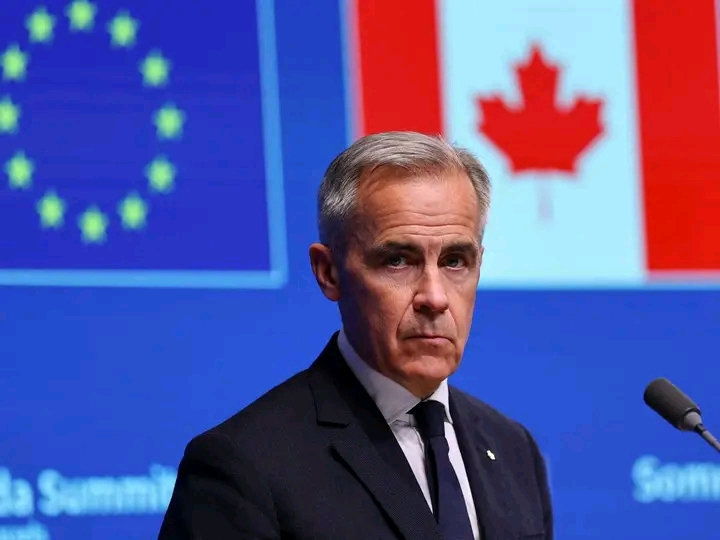
Canada Becomes First Non-EU Nation to Join Bloc's Major Defense Fund Canada has become the first non-European country to join the European Union's Security Action for Europe (SAFE) initiative, a $170 billion rearmament program aimed at bolstering the bloc's military capabilities by 2030. Prime Minister Mark Carney announced the move on Monday, framing it as a strategic step to expand opportunities for Canadian defense firms in a "dangerous and divided world." "Canada’s participation in SAFE will fill key capability gaps, expand markets for Canadian suppliers, and attract European defense investment into Canada," Carney said in a statement. The decision underscores Ottawa's efforts to diversify its military procurement away from the United States, where over 70 cents of every dollar in capital spending had previously flowed. Carney emphasized the move as part of broader trade and partnership enhancements with the EU, following tensions with Washington sparked by U.S. President Donald Trump's earlier trade war and offhand remarks about Canada joining as the 51st state. In a joint statement with European Commission President Ursula von der Leyen, Carney highlighted the alignment of priorities between the two sides. SAFE, launched earlier this year amid concerns over potential Russian aggression and questions about U.S. reliability, focuses on accelerating defense readiness through loans for equipment purchases. Priority areas include missiles and ammunition, artillery systems, ground combat vehicles, drones and counter-drone tech, cyber defenses, air and missile systems, maritime forces, electronic warfare, and space asset protection. Joint projects under SAFE require at least 65 percent of components to be produced within the EU's 27 member states, though exemptions may apply for partners like Canada. The fund totals 150 billion euros ($170 billion) and is seen as Europe's push toward self-reliance in defense. Talks for the United Kingdom to join collapsed last week over financial disagreements, with the EU seeking higher contributions from London than the UK government was prepared to offer. Canada's entry could pave the way for other non-EU allies to participate, strengthening transatlantic ties at a time of shifting global alliances. Analysts note it reflects broader European efforts to rearm, inspired by lessons from Russia's war in Ukraine, including enhanced naval strategies and conscription discussions in countries like France and Germany.
Are you sure you want to delete this post?

Getting more likes...
Getting more comments...
Getting new posts...