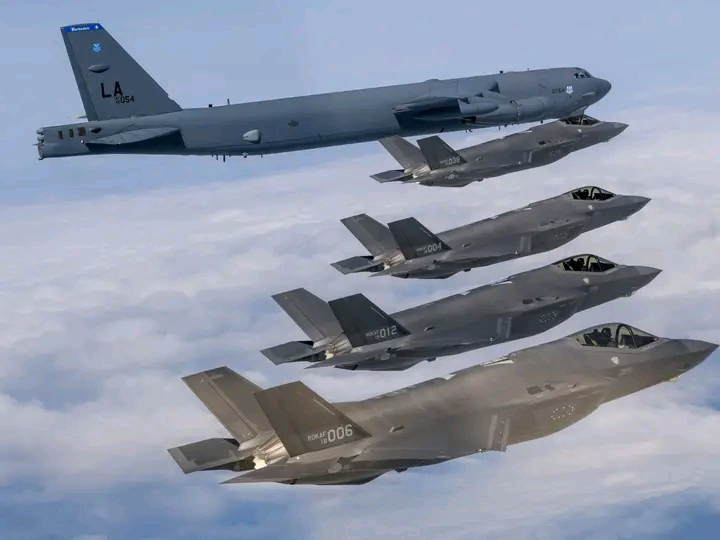
Top global arms producers’ revenues surge as major wars rage: SIPRI report According to a new report by an international peace research institute, the world's largest weapons manufacturers saw their revenues climb to a new high last year, driven heavily by ongoing major conflicts. The combined military sales of the top 100 global arms-producing companies hit a record $679 billion in 2024, marking a near 6% increase from the year before. Analysts point directly to the wars in Gaza and Ukraine, along with rising global military spending, as key reasons for this growth. Most of the increase came from companies based in the United States and Europe. In the U.S., giants like Lockheed Martin led the way, with total arms revenues for American firms in the top 100 reaching $334 billion. However, the report also notes that major U.S. weapons programs, including the F-35 jet, continue to face significant delays and budget issues. Europe saw an even steeper rise, with arms revenues jumping 13% to $151 billion. Companies there have been ramping up production, especially to support Ukraine. A Czech firm, for instance, saw its revenue nearly triple due to artillery shell production for Kyiv. Ukraine's own state defense company also reported a sharp 41% increase in revenue. For the first time, Elon Musk’s SpaceX entered the top arms producers list, with its military-related revenue more than doubling to $1.8 billion. In the Middle East, Israeli defense companies saw a 16% rise in combined revenue, reaching $16.2 billion. The report links this to heightened international demand for its drone and missile defense systems following regional tensions. Meanwhile, the story was different in Asia. For the first time, it was the only region to see a decline, primarily due to a drop in revenues among Chinese arms manufacturers. The report cites postponed contracts and corruption investigations in China’s defense sector. In contrast, Japanese and South Korean arms makers saw exports and revenues surge, fueled by demands from Europe and domestic security concerns. Despite broad international sanctions, the two Russian companies on the list still managed to increase their combined arms revenue by 23%.
Are you sure you want to delete this post?

Getting more likes...
Getting more comments...
Getting new posts...