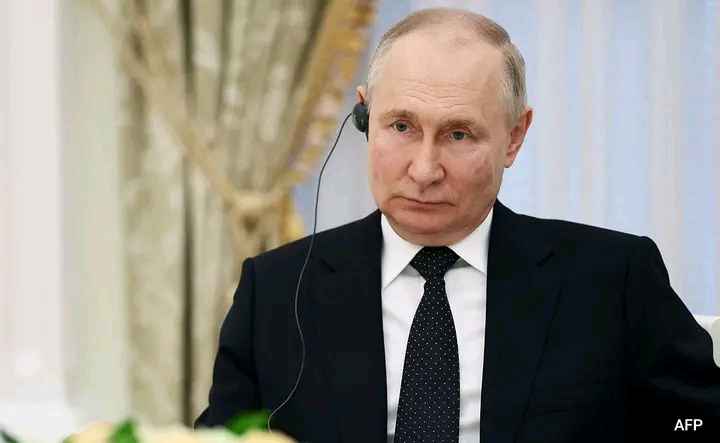
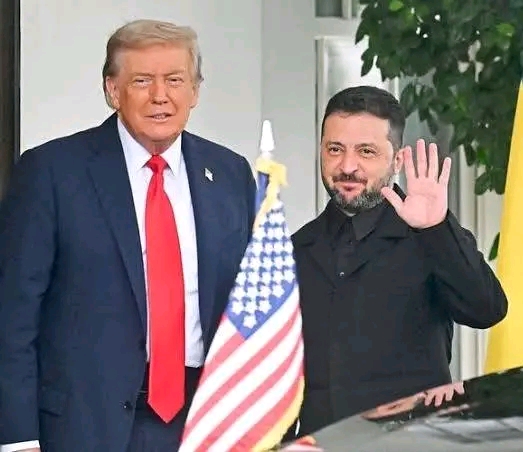
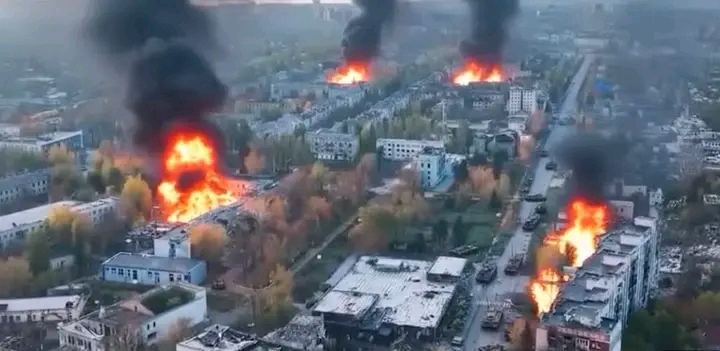
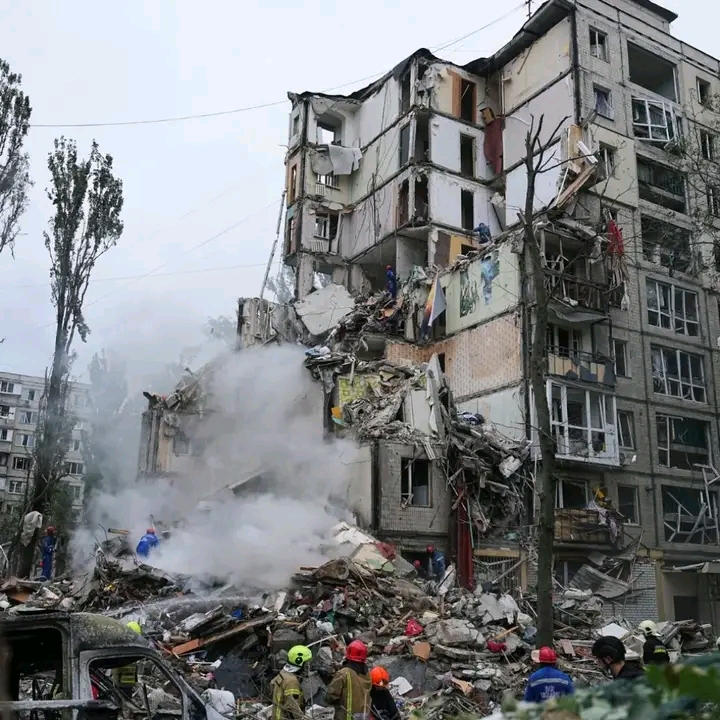
Breakthrough in Geneva: Ukraine-Russia Ceasefire Talks Gain Momentum Amid Global Push for Peace November 30, 2025 – In a development that has captured the world's attention, diplomatic efforts to secure a ceasefire in the ongoing Russia-Ukraine conflict have intensified over the past week, with U.S.-led negotiations in Geneva marking what officials describe as "significant progress" toward halting hostilities that have raged for nearly four years. As of today, both Ukrainian and Russian representatives have signaled cautious optimism, though key details remain unresolved, underscoring the delicate balance required to bridge deep-seated differences. The talks, hosted at the U.S. Mission in Geneva, Switzerland, began in earnest on November 23, 2025, bringing together high-level delegations from Kyiv, Moscow, Washington, and European capitals. U.S. Secretary of State Marco Rubio led the American team, which included special envoy Steve Witkoff and Army Secretary Daniel Driscoll. Their Ukrainian counterparts, headed by Andriy Yermak, Head of the Office of the President, engaged in closed-door sessions that stretched into the early hours, focusing on a comprehensive 28-point peace memorandum drafted primarily by U.S. and Russian officials. A Glimpse into the Proposal: Balancing Security, Territory, and Reconstruction At the heart of the discussions is a multifaceted U.S. proposal aimed at de-escalating the conflict while addressing long-standing grievances on all sides. The 28-point plan, first revealed in full to Ukrainian President Volodymyr Zelenskyy earlier this month, outlines a phased approach to ending active combat. Key elements include: Immediate Ceasefire Mechanisms: A total and unconditional halt to military operations, monitored by U.S.-supervised international observers. Both parties would retreat to agreed-upon lines of contact, with buffer zones established along contested fronts to prevent accidental escalations. Prisoner-of-war exchanges and civilian repatriations would commence within 72 hours of agreement. Security Guarantees: Ukraine would receive bilateral defense pacts from the United States, potentially including paid-for military aid packages, while Russia commits to a legally binding non-aggression pledge toward Ukraine and its neighbors. The proposal also calls for Russia to enshrine in domestic law a broader commitment to non-aggression across Europe, aiming to alleviate fears of future incursions. Territorial Considerations: Negotiations on disputed regions would start from the current line of contact, with provisions for future territorial swaps to be handled diplomatically rather than militarily. Ukraine has agreed not to pursue forcible recovery of occupied areas, a concession that has sparked internal debate but is seen as a pragmatic step toward stability. No final borders have been set, leaving room for multilateral input. Economic and Humanitarian Relief: A joint U.S.-Ukraine initiative to modernize energy infrastructure, including pipelines and storage facilities damaged in the fighting. Reconstruction efforts would target war-torn cities, with the World Bank preparing a special financing package to accelerate rebuilding. Additionally, Russia would progressively reintegrate into global trade networks, potentially easing sanctions in exchange for compliance with ceasefire terms. Efforts to restore Black Sea grain shipments via the Dnipro River are also prioritized to combat global food insecurity. This framework draws inspiration from past diplomatic successes, such as the phased Gaza ceasefire, but adapts to the unique geopolitical stakes here. President Donald Trump, speaking from the White House on November 25, emphasized the plan's flexibility: "We're getting close to a deal. It's not easy, but progress is real—only a few points left to iron out." He has directed Witkoff to travel to Moscow next week for direct talks with Russian President Vladimir Putin, while Driscoll prepares to meet Ukrainian military leaders. Voices from the Frontlines: Reactions in Kyiv and Moscow In Kyiv, the mood is one of weary hope tempered by vigilance. President Zelenskyy, addressing the nation on November 21 after initial briefings, described the U.S. vision as a "starting point" that requires "adjustments to protect our sovereignty." Ukrainian military chief Valerii Zaluzhnyi echoed this in a recent interview, noting that while total victory remains the ideal, a "long-term freeze" could allow for regrouping and rebuilding—drawing parallels to historical conflicts that ended in stalemates rather than outright triumphs. Civilians in shelled cities like Zaporizhzhia and Odesa, where recent drone and missile strikes have claimed lives, express a desperate yearning for respite. "We've lost too much—homes, families, futures," said one resident of Kyiv, speaking anonymously amid overnight attacks on November 25 that killed several. Yet, many reject any outcome perceived as capitulation, insisting on ironclad assurances against renewed aggression. From Moscow, the response has been measured but firm. Russian Foreign Ministry officials described the Geneva sessions as "serious and constructive," while ruling out major concessions on core interests like territorial integrity claims. President Putin, in a June statement reiterated this month, has framed the conflict as a defense of Russian-speaking populations, rejecting unconditional ceasefires without reciprocal security measures. Russian state media highlights the proposal's alignment with earlier demands, such as limits on Ukraine's military size and NATO aspirations, but analysts note internal pressures from economic sanctions and battlefield fatigue could incentivize compromise. The European Angle: Calls for Inclusion and Balance European allies, feeling sidelined in the initial drafting process, have responded with a counter-proposal from the "E3" group—Britain, France, and Germany—presented on November 23. This document accepts the U.S. plan as a foundation but proposes amendments, including stronger NATO involvement in monitoring, deletion of clauses seen as overly favorable to Russia (such as mandatory territorial cessions), and the creation of a "coalition of the willing" for peacekeeping troops in Ukraine. EU Foreign Policy Chief Kaja Kallas voiced concerns on November 26, stating there has been "zero indication" from Russia of genuine ceasefire readiness, urging broader consultations to avoid a "placating" outcome. The exclusion of European voices in early talks has strained transatlantic ties, with diplomats in Brussels arguing that any deal must incorporate regional security architectures to prevent spillover effects. "Peace can't be imposed; it must be owned by all neighbors," a German official told reporters outside the Geneva venue. Hungarian Prime Minister Viktor Orban, a vocal proponent of Trump's initiative, praised its momentum on social media, calling it a "persistent maverick's breakthrough." Historical Context: From Stalemate to Potential Turning Point To understand the gravity of these talks, one must revisit the war's arc. What began as Russia's full-scale invasion on February 24, 2022—framed by Moscow as a "special military operation" to "denazify" and demilitarize Ukraine—has exacted a staggering toll. Independent estimates place combined military and civilian deaths in the hundreds of thousands, with millions displaced. Ukraine's 10-point peace plan from November 2022, demanding full Russian withdrawal and reparations, clashed with Putin's June 2025 declaration that Russians and Ukrainians are "one people," implying expansive territorial claims. Renewed U.S. engagement under President Trump has shifted dynamics since his January inauguration. Early moves, like a 30-hour Easter truce in April 2025 and threats of escalated sanctions in May, pressured both sides. By November, with Trump withdrawing self-imposed deadlines and dispatching envoys, the process has accelerated. Yet, as one NPR source noted, "There can’t be a ceasefire nor peace if the Ukrainians cannot trust that the Russians won’t invade again." Russian breaches of prior pauses, like the April truce, have only heightened Kyiv's wariness. Public discourse on platforms like X (formerly Twitter) reflects this tension. Ukrainian voices advocate for a "total victory" but acknowledge the realities of attrition, while pro-Russian commentators urge Moscow to "finish the job" for lasting security. Neutral observers speculate on creative solutions, such as a "Taiwan-style" recognition of disputed lands or energy deals to curb corruption-fueled stalemates. Betting markets, like those on Polymarket, peg the odds of a November ceasefire low, with "nothing happens" trading heavily as punters bet on prolonged haggling. Challenges Ahead: Unresolved Hurdles and the Human Cost Despite the forward motion, obstacles loom large. Ukraine balks at elements perceived as endorsing Russian gains, such as military caps and NATO barriers, while Russia dismisses European add-ons as interference. Logistical nightmares—like verifying retreats in contested areas like Donbas and Crimea—could delay implementation. Moreover, the human element persists: Overnight strikes in Kyiv on November 25, killing civilians just hours after Geneva breakthroughs, serve as grim reminders that peace is fragile until inked. Economically, the war has reshaped global landscapes. Europe's energy crisis, Ukraine's shattered infrastructure, and Russia's isolation from SWIFT have all incentivized resolution. The Black Sea grain corridor, vital for feeding Africa and the Middle East, hangs in the balance—its revival under the plan could avert famines. A World Watches: Implications Beyond the Battlefield If successful, this ceasefire could redefine post-Cold War Europe, bolstering U.S. mediation clout while testing NATO's cohesion. For Ukraine, it offers breathing room to rebuild a nation scarred by invasion; for Russia, a path to economic reintegration without full retreat. Globally, it signals that even entrenched conflicts can yield to persistent diplomacy. As Witkoff heads to Moscow and Driscoll to Kyiv, all eyes are on the coming days. President Trump, channeling his deal-making ethos, quipped on November 26: "I thought this would be easier, but we're making progress." Whether this culminates in a signed memorandum or another false dawn remains uncertain. What is clear is the urgency: Every delayed hour exacts further cost on ordinary lives. For now, the guns may still echo, but in Geneva's halls, the first whispers of silence offer a tentative promise. The international community holds its breath, hoping this chapter closes not in defeat, but in a shared dawn.
Are you sure you want to delete this post?

Getting more likes...
Getting more comments...
Getting new posts...