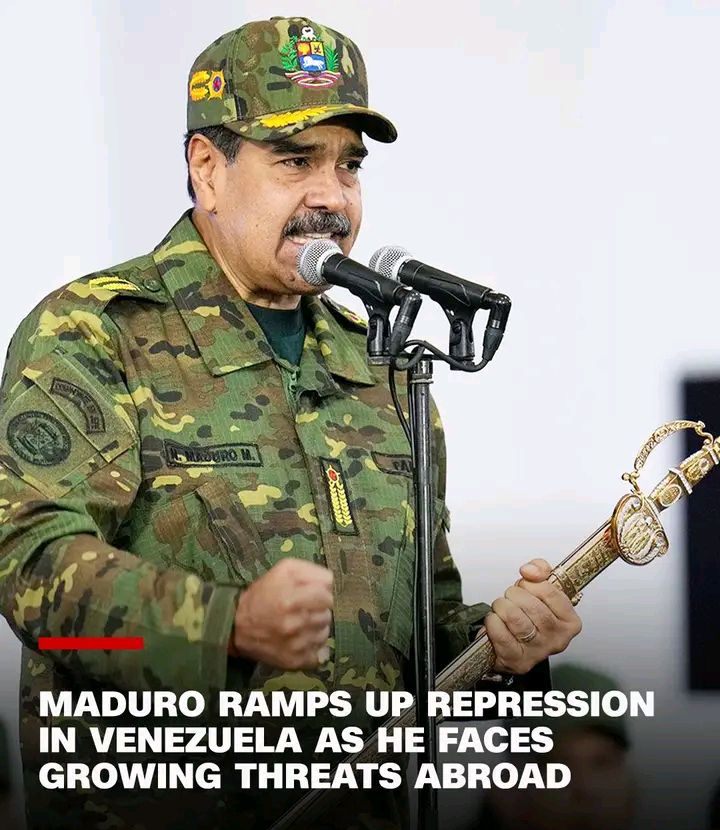
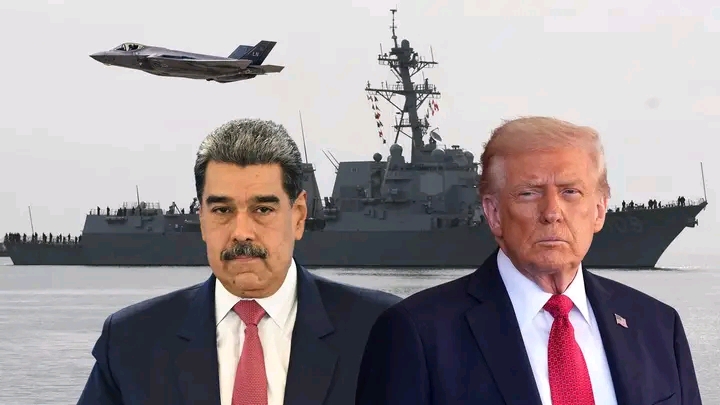
Venezuela’s Ongoing Conflict with the USA: What’s Really Happening in 2025 As of November 30, 2025, the tension between Venezuela and the United States has reached levels not seen in decades. Under President Trump’s second term, Washington has launched the largest naval deployment in the Caribbean since the 1989 invasion of Panama: aircraft carriers, destroyers, submarines, and over 15,000 troops are now stationed just off Venezuela’s coast. Nicolás Maduro has responded by mobilizing millions of civilian militia members, installing anti-aircraft systems, and declaring the country on “maximum alert.” Airlines have canceled flights, the FAA has closed Venezuelan airspace to U.S. carriers, and people in Caracas are stocking up on food and fuel. Many fear the next step could be direct military action. How did we get here? It all started intensifying after the July 2024 presidential election. Maduro claimed victory with 51% of the vote, but the opposition published detailed voting records showing their candidate, Edmundo González, actually won by a landslide (67%). The U.S., EU, and most Latin American countries called the election fraudulent. When Maduro was sworn in for a third term in January 2025 anyway, the Trump administration shifted from sanctions to open threats of regime change. The official U.S. justifications are threefold: 1. Drug trafficking – Washington accuses Maduro and his inner circle of running the “Cartel de los Soles” and says Venezuelan territory is used to ship huge amounts of cocaine into the U.S. 2. Terrorism links – The Venezuelan gang Tren de Aragua was designated a foreign terrorist organization, and the U.S. has already carried out several deadly airstrikes on boats it claims belonged to the cartel. 3. Protection of democracy and the massive Venezuelan diaspora (over 7.7 million people have fled the country since 2014). But many analysts say the real prize is oil. Venezuela sits on the world’s largest proven reserves – over 300 billion barrels. Production has collapsed to under 800,000 barrels per day because of sanctions and mismanagement, but seizing or controlling those fields would give the U.S. enormous leverage against Russia, China, and the entire BRICS bloc that has been buying Venezuelan oil in yuan and rubles. There’s also the Essequibo dispute: a huge oil-rich territory that belongs to Guyana but which Maduro claims for Venezuela. U.S. oil giant ExxonMobil has major contracts there, and American troops have been training with the Guyanese military. On the ground in Venezuela, life is getting harder every day. Hyperinflation is back (some economists predict 500% by the end of the year), medicine and food shortages are worsening, and the government has stepped up repression – disappearances, torture, and arbitrary arrests of opposition figures are common. At the same time, Russian and Iranian advisors have reportedly arrived to help set up air defenses, and Cuban intelligence is deeply embedded with Maduro’s security forces. What could happen next? - Limited U.S. airstrikes on “narco-targets” (already happening). - A full naval blockade. - An attempt at regime change supporting opposition leader María Corina Machado (who just won the Nobel Peace Prize and is barred from running). - A messy, prolonged conflict – experts say occupying Venezuela’s mountains and jungles would require hundreds of thousands of troops, something the U.S. is not prepared for right now. Most Venezuelans just want the nightmare to end. Millions have already left, and those who remain are exhausted. As one Caracas resident posted online this week: “We don’t want war, we don’t want Maduro, we just want to live in peace.” What do you think should happen? Is military intervention the answer, more sanctions, or is it time for negotiated talks? Drop your thoughts below – let’s discuss. 🇻🇪🇺🇸 #Venezuela #USAVenezuela #CaribbeanCrisis #Maduro #Trump2025
Are you sure you want to delete this post?

Getting more likes...
Getting more comments...
Getting new posts...